The appeal of cold lakes and endless pines
Northern wilderness settings show up again and again in fishing games. This opinion piece looks at why they work so well and what makes them enjoyable to explore.
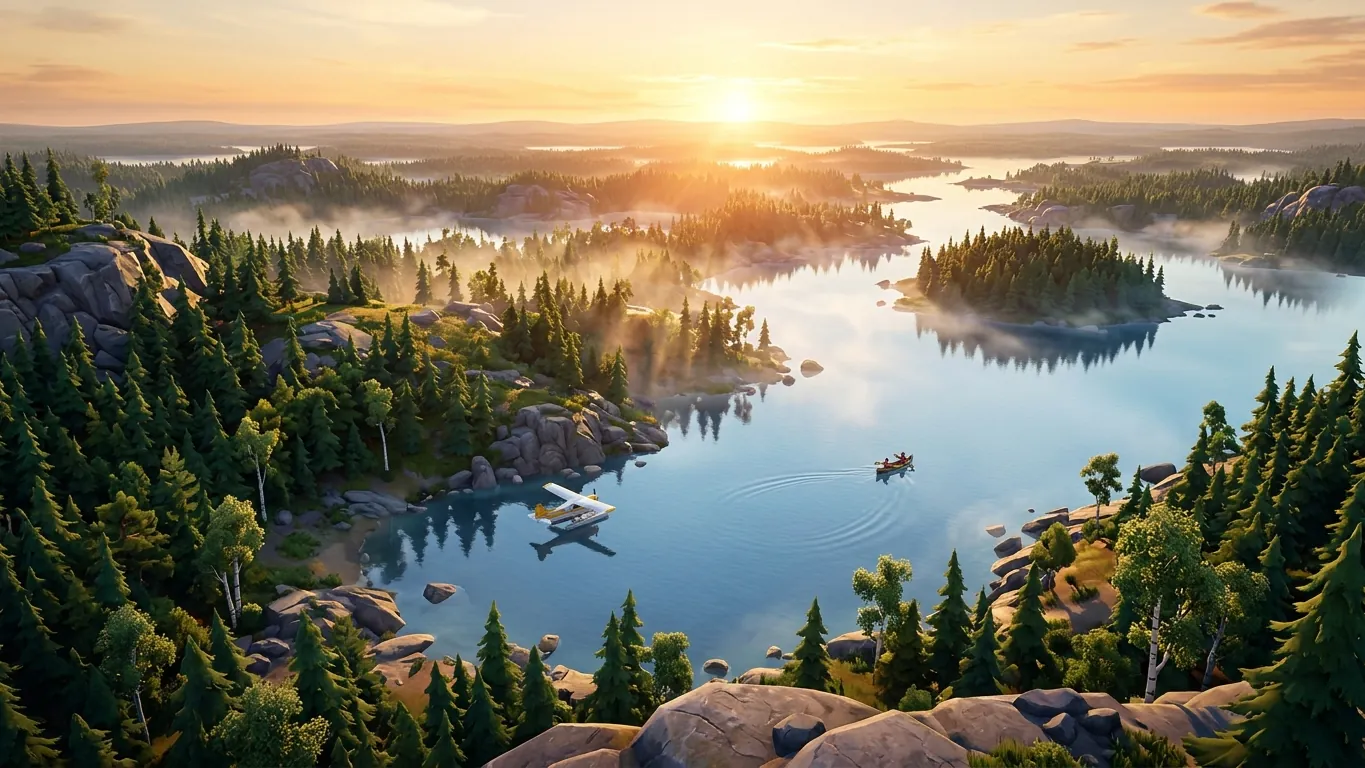
A sense of space
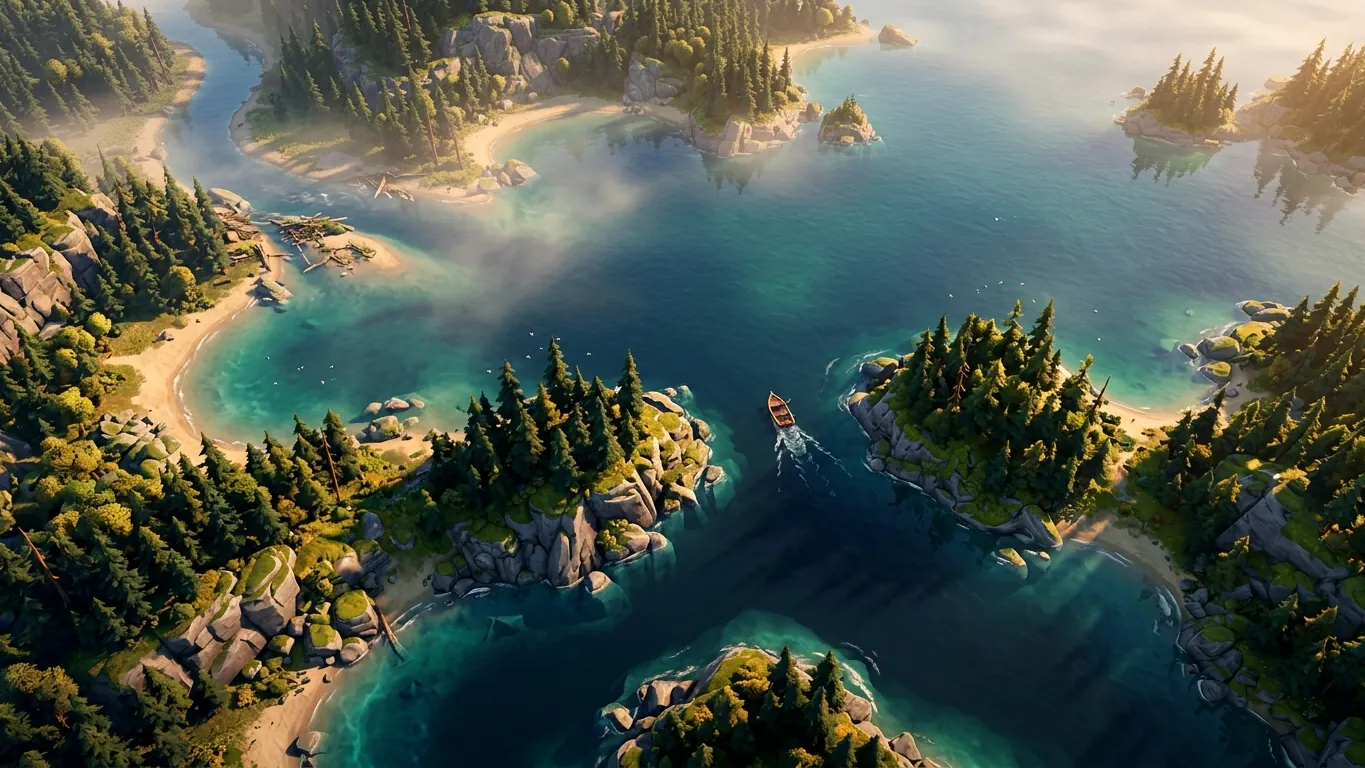
Northern lake country is built for exploration. In many games, one map can hold a large lake, several bays, a river and a few small ponds. You can spend a whole session on one shoreline or travel across the map looking for something new.
That space makes each catch feel earned. You chose the bay, the depth and the lure. When it works, it feels like your own discovery.
Variety of water
Canadian-style settings offer clear rocky lakes, weedy bays, fast rivers and frozen winter scenes. Each type of water asks for different tackle and tactics.
That variety keeps the gameplay interesting. Light gear for brook trout in a stream feels very different from heavy gear for pike in a weed bed. Moving between them teaches you how the game's systems fit together.
It also makes the guides on this blog possible. Reading structure, choosing lures and adapting to weather all matter because the water itself changes so much.
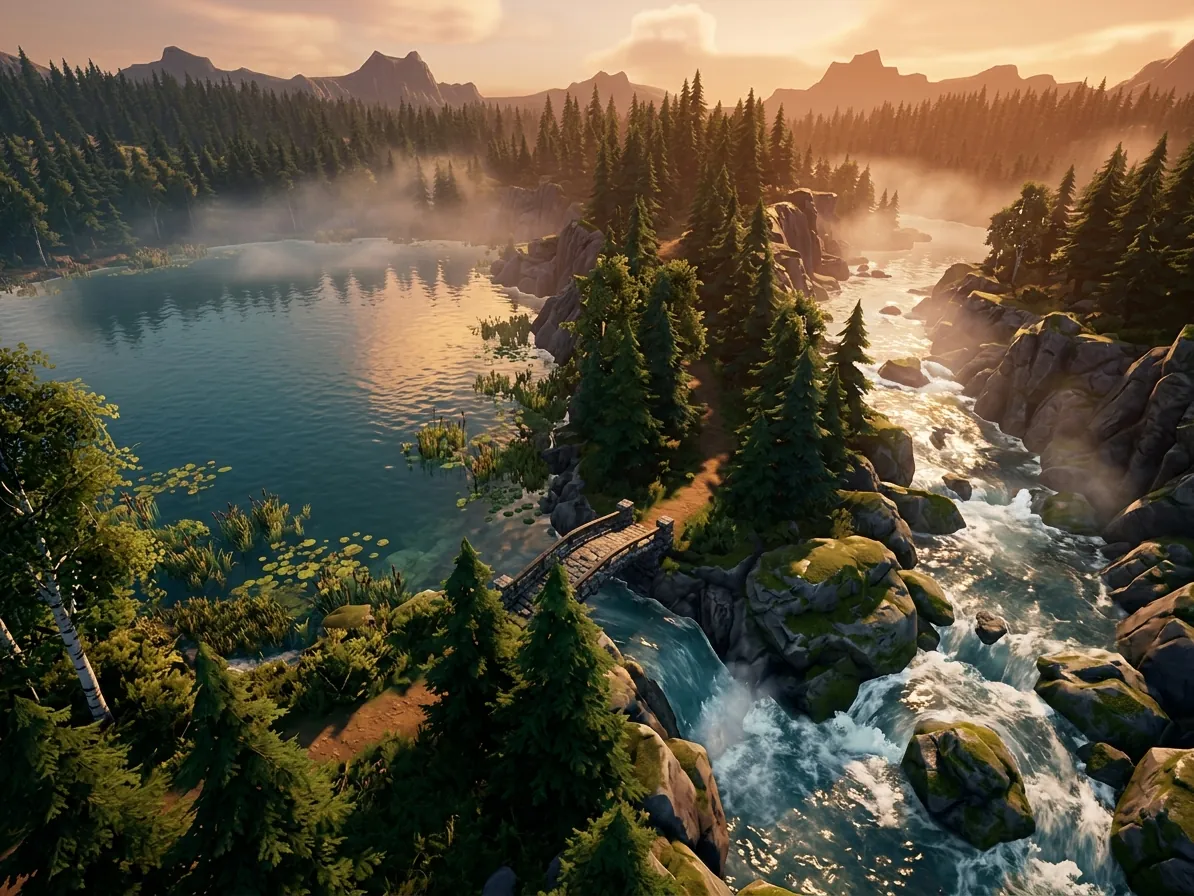
A natural ladder of species
Northern waters give games a clear progression. Perch and small trout suit beginners with light gear. Walleye and bass ask for better technique. Pike, lake trout and muskie become longer-term goals that demand stronger tackle and patience.
This ladder feels natural rather than artificial. You are not unlocking fish through menus alone; you are learning where and how they live. Each step teaches a new skill, from bottom jigging to handling a powerful run.
Quiet pacing
Not every game needs constant action. A misty morning on a still lake, the sound of a loon and a slow retrieve along a weed edge can be relaxing in a way few other genres manage.
Northern settings support that mood. Long sunsets, changing weather and winter silence give sessions a rhythm. Even a session without a catch can feel worthwhile because the setting itself is pleasant to spend time in.
In our view, that calm is a big part of why players keep returning to these maps.
What we would like to see more of
Speaking as players, a few ideas would make northern fishing maps even richer. More detailed river systems with changing flow would reward careful reading of current. Seasonal shifts that move fish in believable ways would make returning to a familiar lake feel new.
We would also enjoy more small details: varied bottom types, shoreline wildlife and weather that builds and clears gradually. These are opinions, not predictions about any game. If you have your own wish list, share it with us through the contact page.
Related articles
 Rod, reel and line: building a balanced setup
A plain guide to rods, reels and line in fishing video games: rod power, reel size, drag and line choice, plus a simple checklist before your first cast.
Read more
 Picking the right lure for northern water
How to choose spinners, spoons, crankbaits, jigs and soft plastics in fishing games set on northern lakes, with tips on depth, colour and retrieve.
Read more
 Where to cast on a new northern lake
Learn how to find productive fishing spots in games: reading maps, depth, structure, weed beds and river current on northern lakes and rivers.
Read more