Where to cast on a new northern lake
Fish in most games are not spread evenly across the water. This guide shows how to read maps, depth and structure to narrow down where to cast.
Start with the map
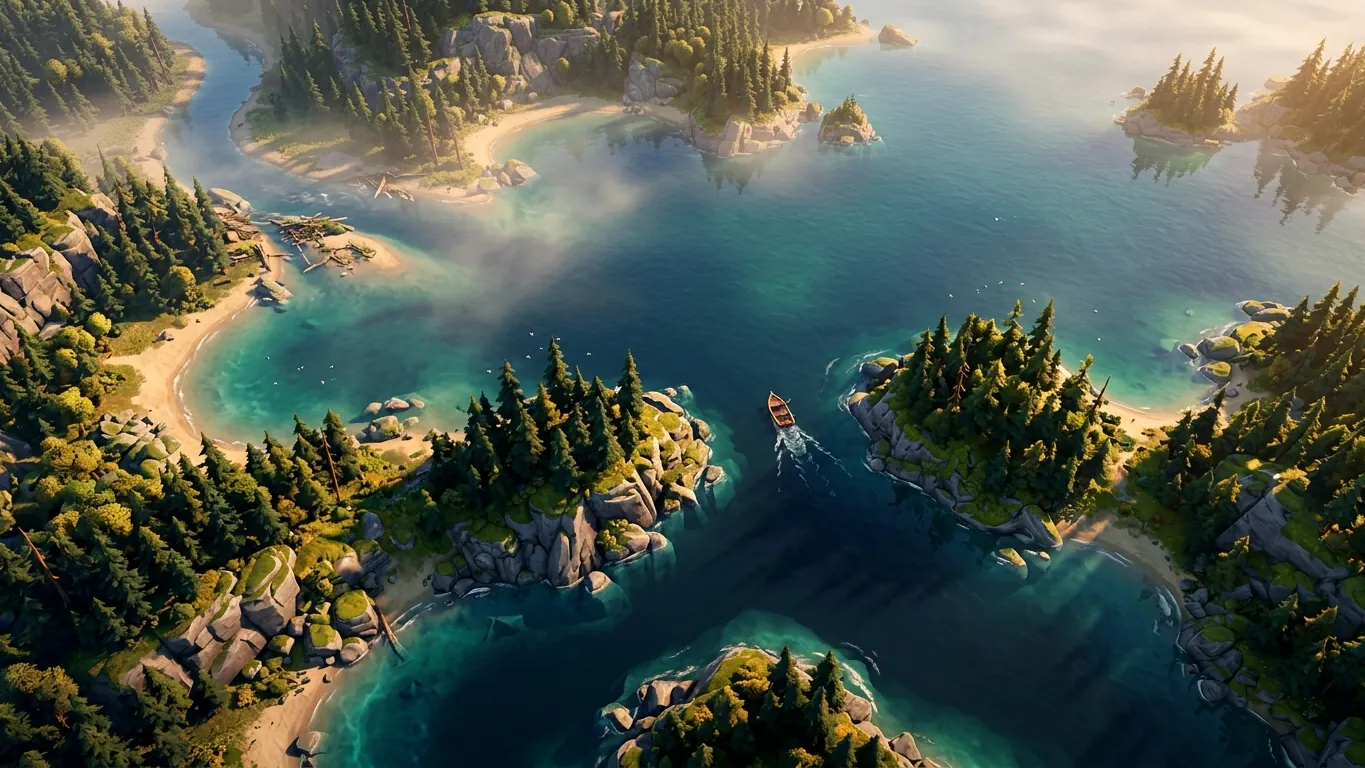
Before your first cast, open the map and look for change. Fish in fishing games tend to gather where something changes: depth, bottom type, cover or current.
Narrow points of land, islands, bays, inlets and outlets are all good starting areas. If the map shows depth contour lines, look for places where the lines bunch together. That means the bottom drops quickly.
Mark a few spots before you move. Having a short plan saves time on large maps where travel takes a while.
Structure: points, drop-offs and weed beds
Structure is any feature that gives fish shelter or a place to ambush food. In northern-style lakes, three types matter most.
Rocky points extend into the lake and drop into deeper water. Walleye and bass often hold along them in many games.
Drop-offs are steep changes in depth. Fish can move up to feed and back down to rest without travelling far.
Weed beds hide small fish and attract predators. Pike in particular are often placed near weed edges. Cast along the edge rather than into the middle to avoid snags.
Rivers: current seams and pools
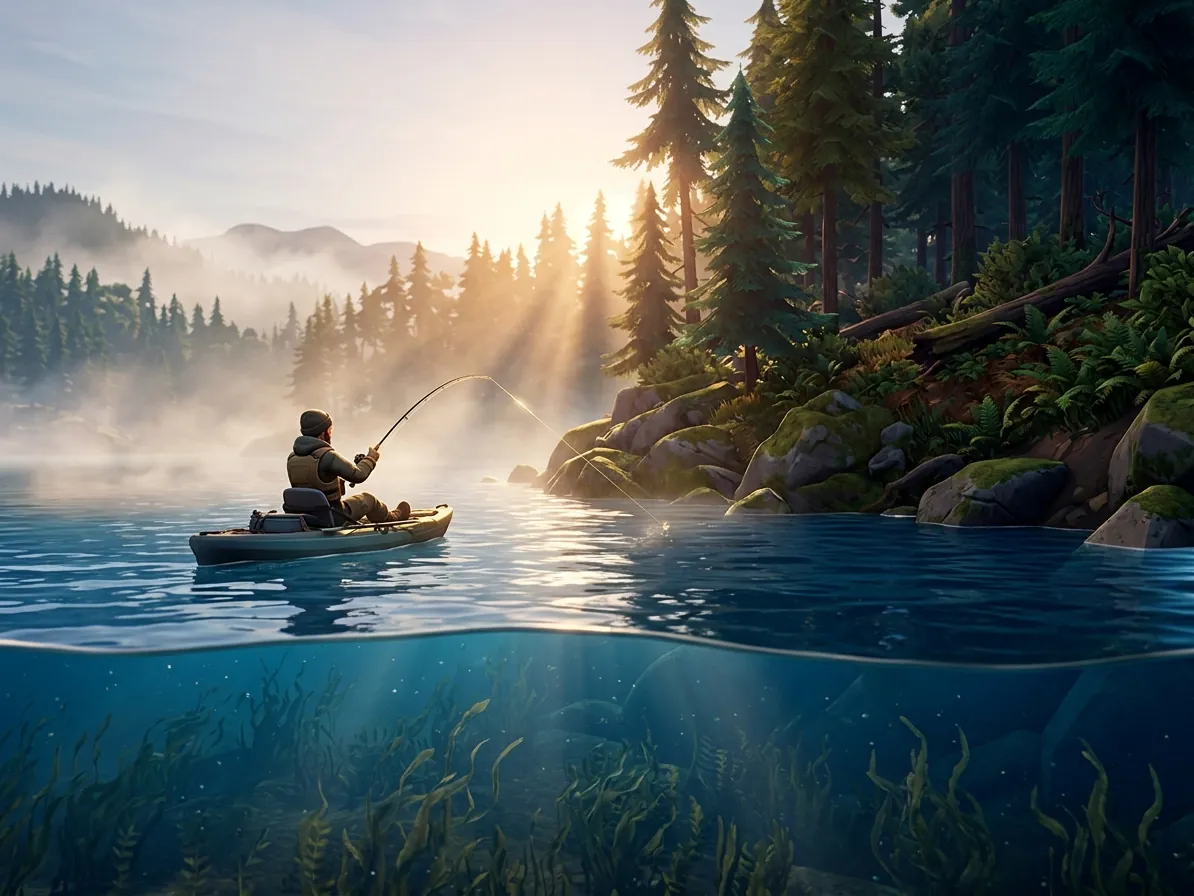
Rivers work differently from lakes. Current carries food, and fish usually wait where they can rest while food drifts past.
Look for seams, where fast and slow water meet. Cast into the fast side and let the lure drift into the slower water. Pools below rapids and the inside bends of the river are also worth trying.
In games that simulate salmon or trout runs, river mouths and deep holes below falls can be important stops. Watch how your lure moves in the current and adjust weight so it reaches the right depth.
Using depth finders and sonar tools
Many fishing games include a depth readout or a sonar screen on boats. Use it to confirm what the map suggests. A sudden rise from deep water marks a hump or reef. Marks in the middle of the water column can show suspended fish.
Do not chase every mark. Use the tool to find the depth where fish seem to hold, then fish that depth along nearby structure. In games without sonar, count how long your lure takes to reach the bottom to estimate depth.
A scouting routine for any new lake
This routine helps you learn a map without wasting your session.
- 01
Scan the map
Note points, islands, inlets, weed beds and steep contour lines.
- 02
Pick three spots
Choose different types: one shallow, one drop-off, one deep area.
- 03
Fish each briefly
Use a search lure and spend a short, fixed time per spot.
- 04
Slow down where you get bites
Switch to a slower lure such as a jig and work the area carefully.
- 05
Note what worked
Remember spot, depth and lure for the next session.
Related articles
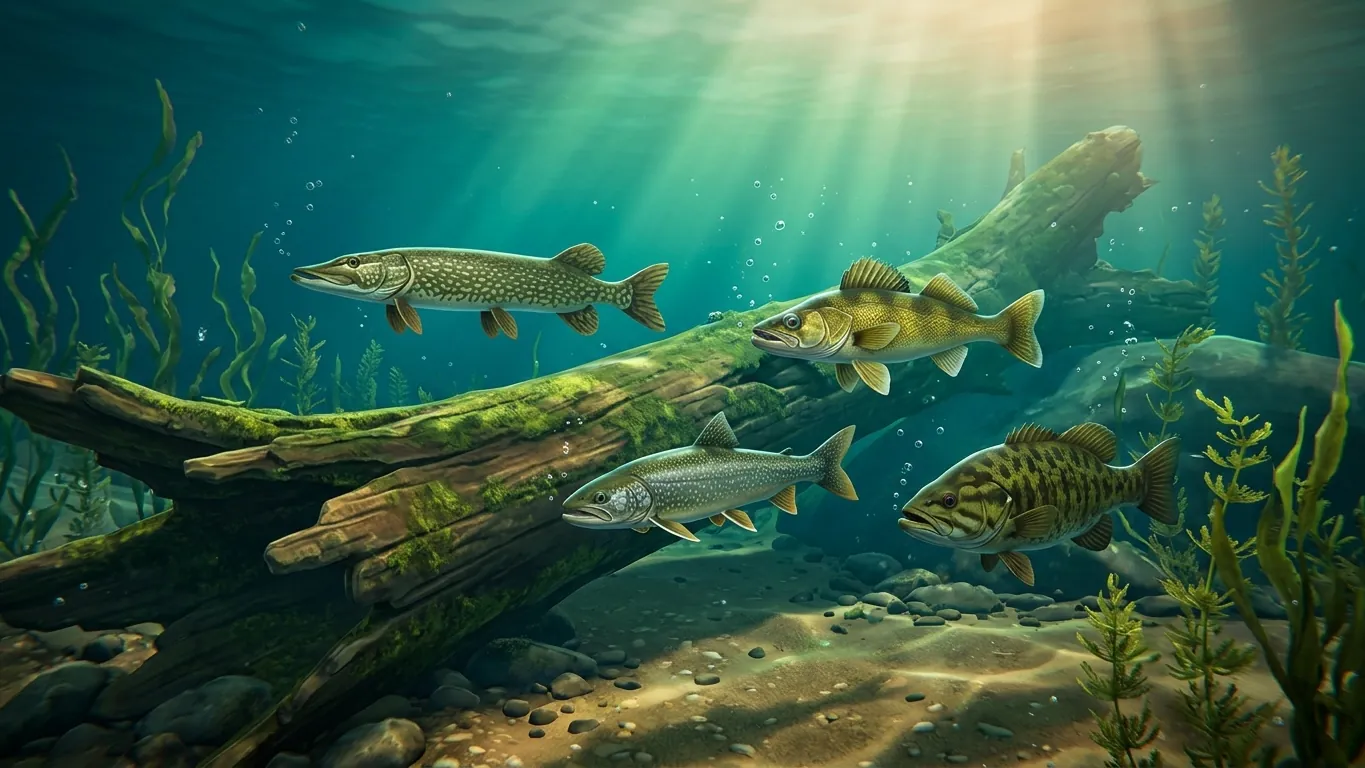 Getting to know the fish of northern waters
An explainer on northern fish species in fishing games: pike, walleye, trout, bass, muskie and salmon, with typical habits, lures and tackle notes.
Read more
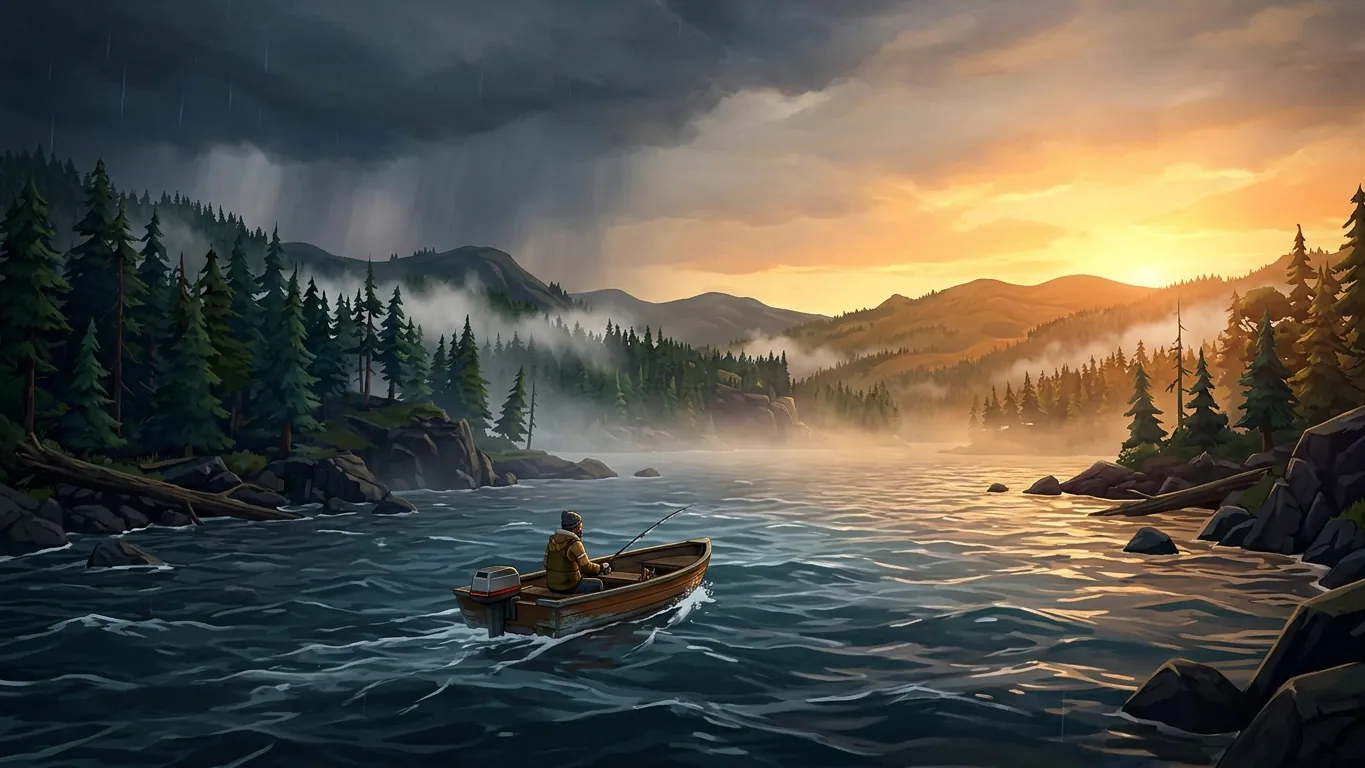 Reading the sky before you read the water
Practical tips on how weather, wind, light, seasons and water temperature can affect fish activity in fishing games with northern settings.
Read more
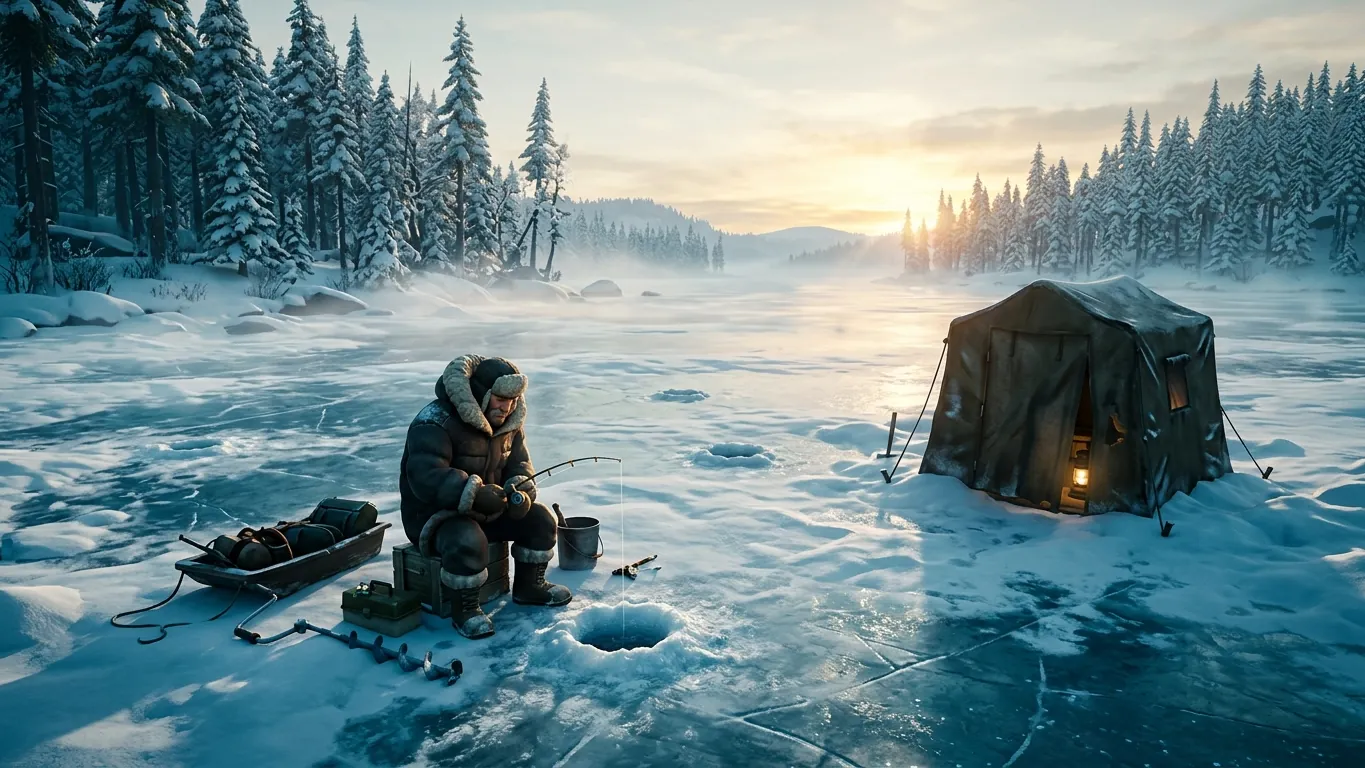 Fishing a frozen northern lake
A guide to ice fishing modes in fishing games: short rods, tip-ups, where to drill holes, jigging rhythm and how winter fishing differs from open water.
Read more