Rod, reel and line: building a balanced setup
Most lost fish in fishing games come down to mismatched tackle. This guide explains rod power, reel size, drag and line so your setup works as one system.
Why tackle matters more than luck
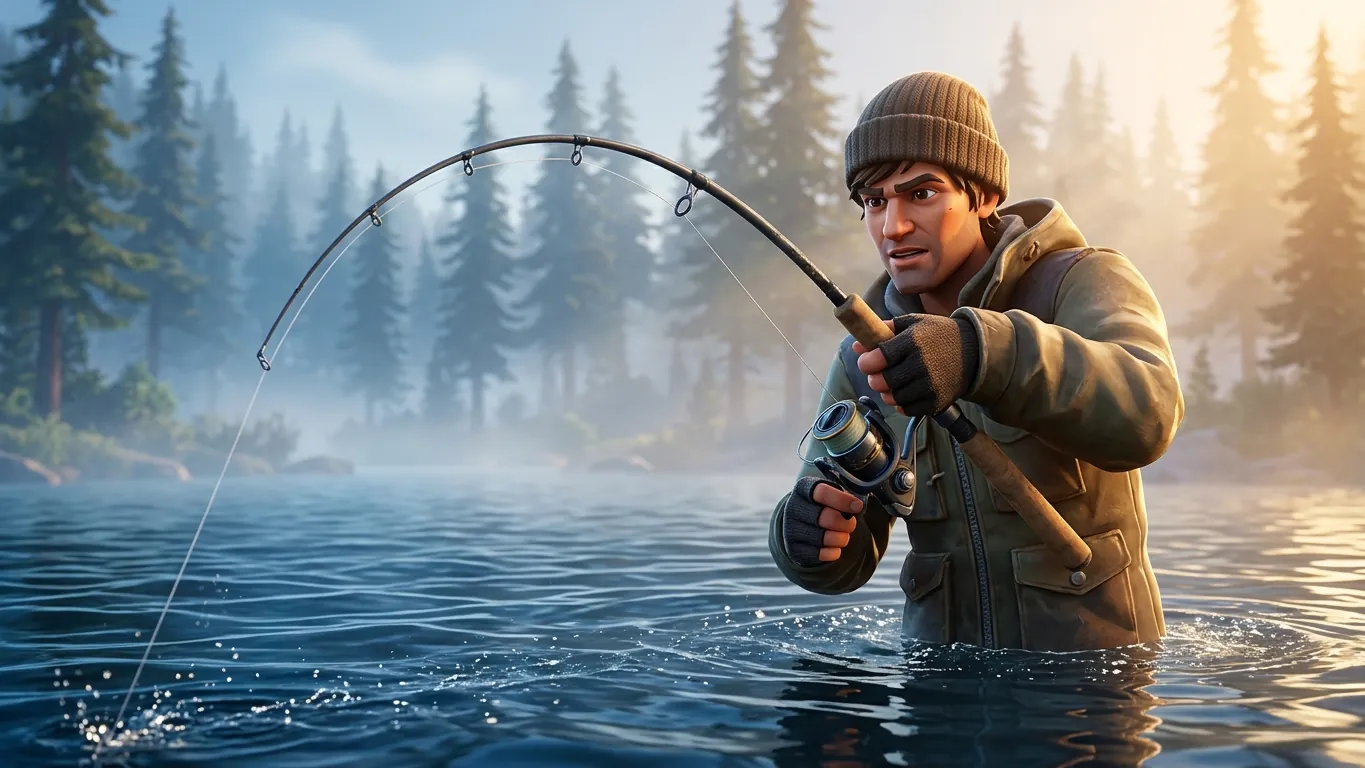
In many fishing games, a fish is not caught by pressing a button at the right time. The game compares the weight and strength of the fish with the limits of your rod, reel and line. If one part is too weak, it fails first.
That is why a cheap rod paired with very strong line can still break, and why a strong rod with thin line can still lose a large pike. Think of your setup as a chain. It is only as strong as its weakest link.
The good news is that you do not need the most expensive gear. You need gear that matches the fish you are targeting and the water you are fishing.
Rod power and action
Rod power describes how much force it takes to bend the rod. Light rods suit small trout and perch. Medium rods cover walleye and bass. Heavy rods are for pike, muskie and big lake trout.
Action describes where the rod bends. A fast action rod bends mostly near the tip, which gives quick hook sets with jigs and soft plastics. A moderate action rod bends further down, which helps absorb sudden runs and works well with treble-hook lures like crankbaits.
Most games show a recommended lure weight range on each rod. Stay inside it. A lure that is too heavy may stress the rod, and one that is too light may not cast well.
Reel size and drag
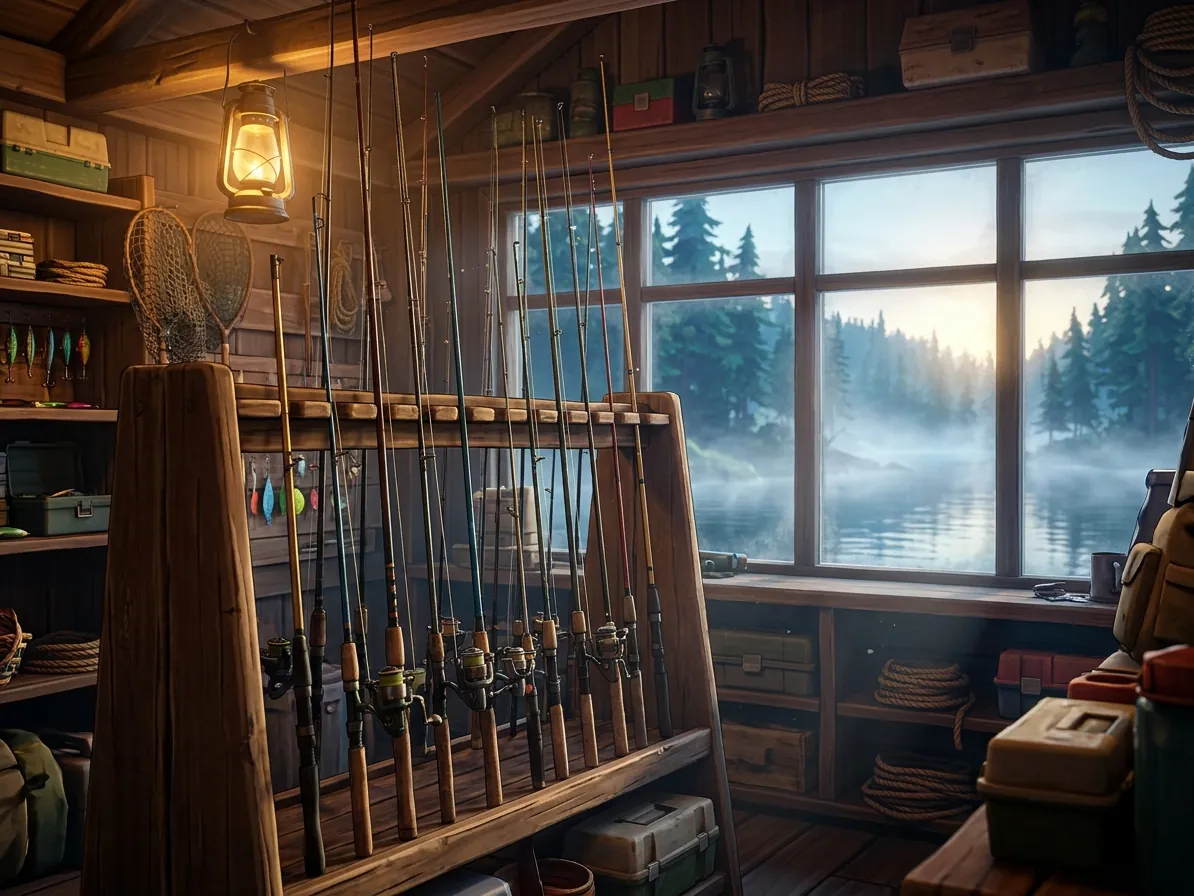
Reel size usually decides how much line the spool holds and how much drag the reel can apply. Drag is the resistance that lets a fish pull line out under pressure instead of snapping it.
If the drag is too tight, the line breaks during a hard run. If it is too loose, the fish swims into weeds or rocks and you cannot stop it. Many games let you adjust drag before or during a fight. A common starting point is to set it a little below the breaking strength of your line.
Larger reels make sense for big fish and deep water where you need more line. Smaller reels are lighter and pair better with light rods.
Choosing line: mono, fluorocarbon and braid
Fishing games often offer three main line types, borrowed from real angling.
Monofilament stretches. That stretch absorbs shocks, which is forgiving for beginners and for crankbaits.
Fluorocarbon is often modeled as less visible in clear water. It suits wary fish such as trout in clear northern lakes.
Braid has very little stretch and high strength for its thickness. It gives strong hook sets and good feel with jigs, and it cuts through weeds. Some games treat it as more visible, so players often add a leader.
For toothy fish such as pike and muskie, many games offer steel or heavy leaders. Without one, a bite can cut the line.
A simple setup checklist before your first cast
Run through these checks whenever you change target species or location.
- 01
Pick the target fish
Decide what you want to catch and check its typical size in the in-game encyclopedia or notes.
- 02
Match the rod
Choose a rod whose power and lure weight range fit that fish and your planned lures.
- 03
Balance reel and line
Pair a reel with enough line capacity and choose a line strength the rod can handle.
- 04
Set the drag
Adjust drag slightly below the line's breaking strength.
- 05
Add a leader if needed
Use a heavy or steel leader where toothy species live.
Upgrading without wasting in-game currency
Upgrade the weakest part of your setup first. If your line keeps snapping, look at line and drag before buying a new rod. If you cannot cast far enough, a longer rod may help more than a bigger reel.
Keep one light setup and one heavy setup when the game allows several rods. That covers most situations on a northern lake without constant changes. Read item descriptions carefully, because the same name can mean different things in different games.
Related articles
 Picking the right lure for northern water
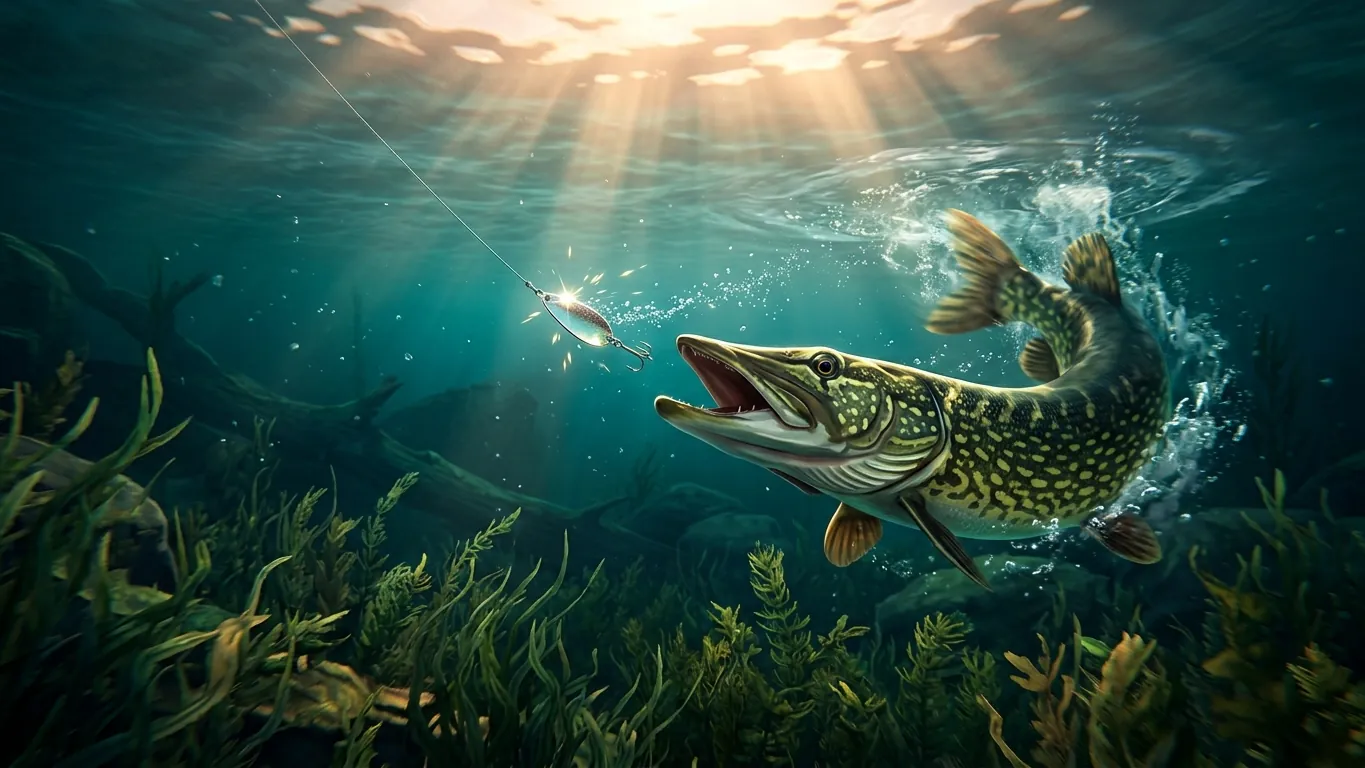
How to choose spinners, spoons, crankbaits, jigs and soft plastics in fishing games set on northern lakes, with tips on depth, colour and retrieve.
Read more
 Where to cast on a new northern lake
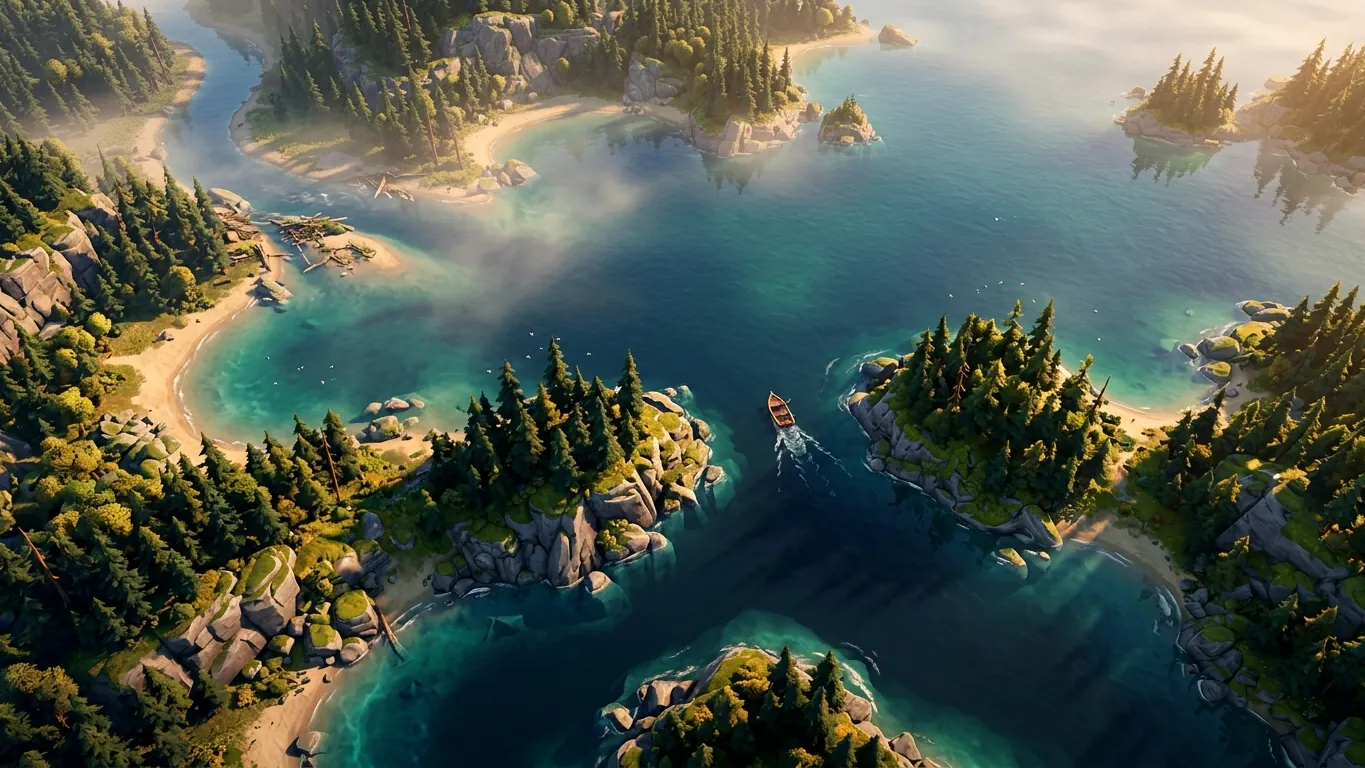
Learn how to find productive fishing spots in games: reading maps, depth, structure, weed beds and river current on northern lakes and rivers.
Read more
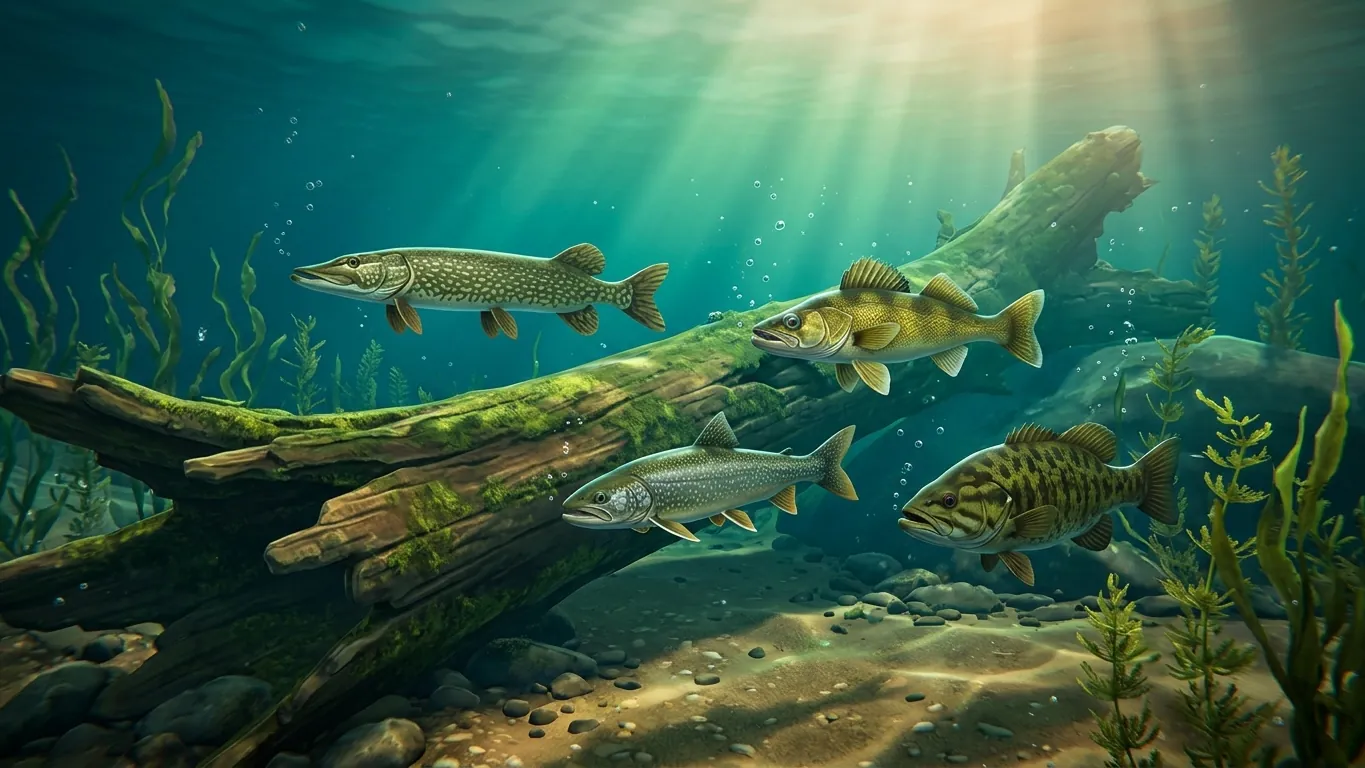 Getting to know the fish of northern waters
An explainer on northern fish species in fishing games: pike, walleye, trout, bass, muskie and salmon, with typical habits, lures and tackle notes.
Read more